
11 Capybara Coloring Pages to Print for Free!
Animals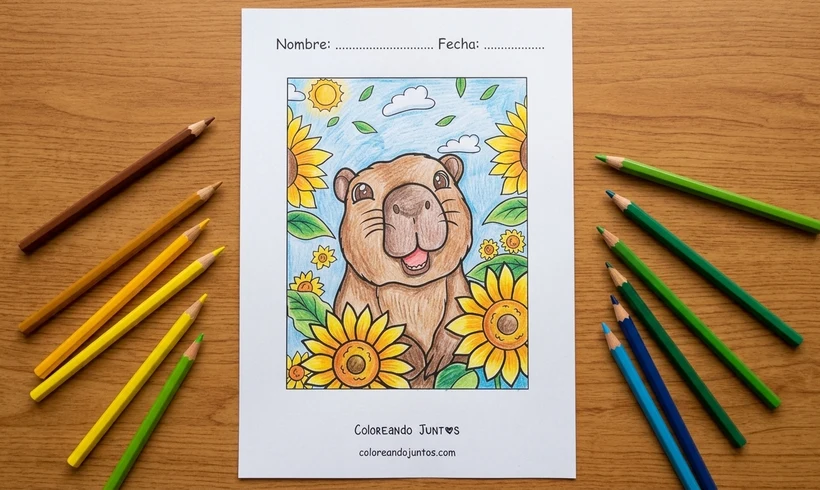
There is an animal that lives without rushing, that sits by the water to watch the afternoon go by and lets little birds perch on its back. That animal is the capybara, and coloring it is almost as relaxing as watching it. That is why we put together this collection of capybara coloring pages, made for you to enjoy every stroke calmly.
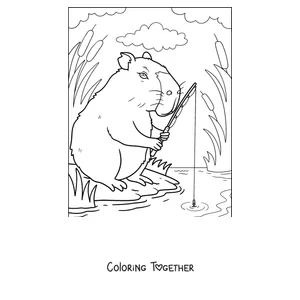
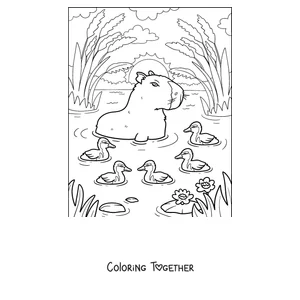
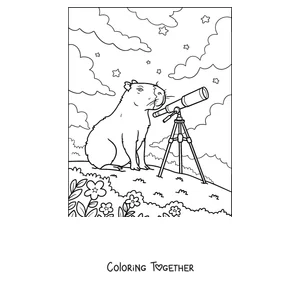
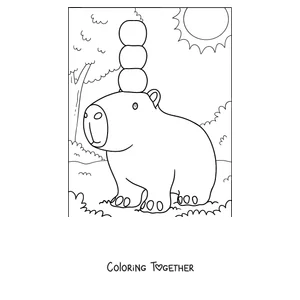
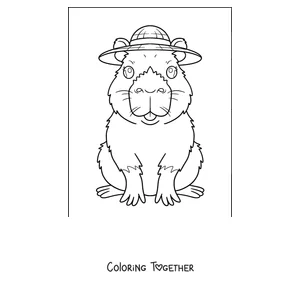
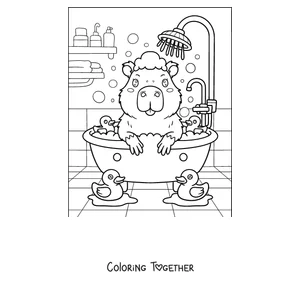
You will find capybaras swimming, hiking up the mountains, blowing out candles and even taking a bubble bath. Pick the one you like best and try pencils, markers or watercolors: each material gives its fur a different texture.
At Coloring Together we believe coloring is a lovely way to spend time, with no rules and no hurry, just like a capybara resting in the sun. And when you finish your artwork, remember we have a gallery where we show the drawings people send us. We would love to add yours.
Capybaras coloring pages





Why color capybara pictures?
The capybara is the largest rodent in the world and one of the calmest animals there is. It lives near rivers and lagoons in South America, in big groups, and gets along with almost everyone: it is not unusual to see birds resting on its back.
Coloring capybaras is a fun way to get to know this gentle giant. While you choose the brown tones of its fur and the greens of the plants around it, you learn how it lives, what it eats and why it became so loved all over the world.
We also added several fun facts about capybaras spread across the drawings, so you learn something new with every page you color. Let's get those colors ready!
Learn while coloring Capybaras
- The capybara is the largest rodent in the world: it can be over a meter long and weigh up to 65 kilos, almost as much as an adult person.
- They are semi-aquatic and swim very well. Their toes are slightly joined by webbing, like a duck's feet, and they can stay underwater for several minutes to hide.
- They live in groups of 10 to 20 capybaras, and in the dry season those groups can gather into herds of up to a hundred.
- They are herbivores and eat mostly grass and water plants. An adult capybara can eat several kilos of grass a day.
- Their name comes from the Guaraní word kapiÿva, which means something like 'master or eater of the grasses'.
- They communicate with curious sounds: barks, whistles, squeaks and a kind of purr when they are happy.
- Their front teeth never stop growing, which is why they need to chew grass all the time to wear them down.
- They are so calm that many other animals, like birds and even small monkeys, climb onto their backs to rest.
- Baby capybaras can walk and swim just a few hours after being born, and within a week they already start eating grass.
- They live only in South America, near the water, in countries like Argentina, Brazil, Venezuela and Colombia.
More Animals Coloring Pages
-
Axolotl Coloring Pages
-
Bear Coloring Pages
-
Catfish Coloring Pages
-

Cat Coloring Pages
-
Cheetah Coloring Pages
-
Cow Coloring Pages
-
Crab Coloring Pages
-
Deer Coloring Pages
-
Dog Coloring Pages
-
Dolphin Coloring Pages
-
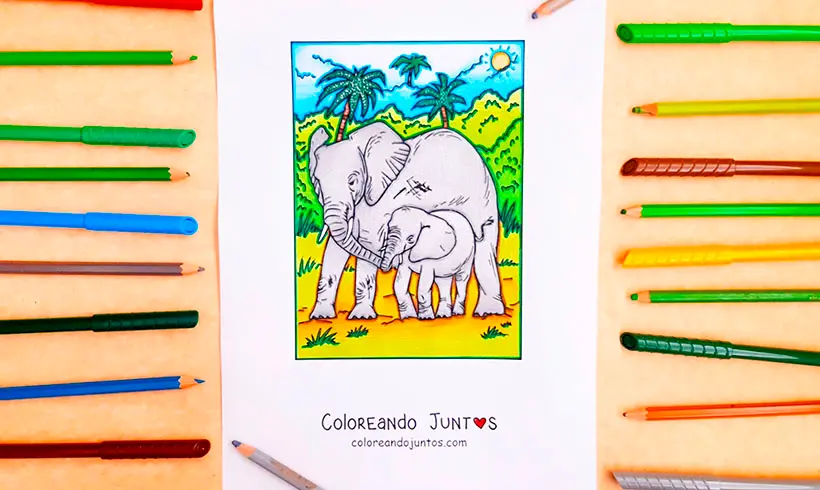
Elephant Coloring Pages
-
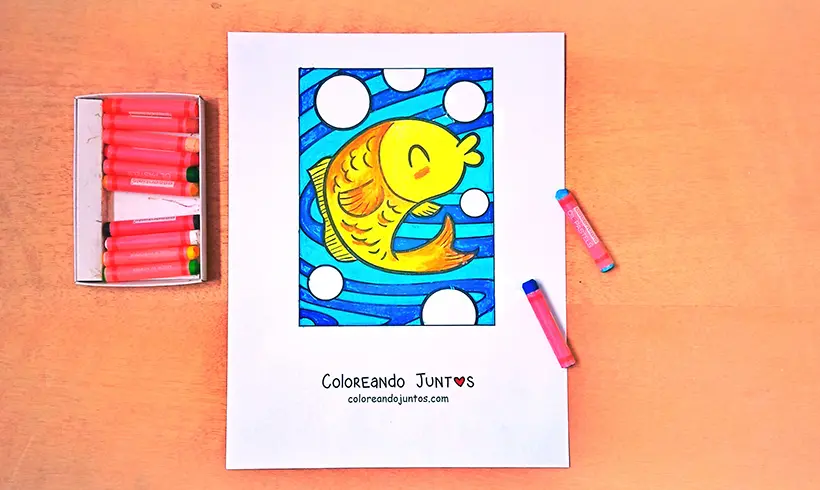
Fish Coloring Pages
-

Fox Coloring Pages
-
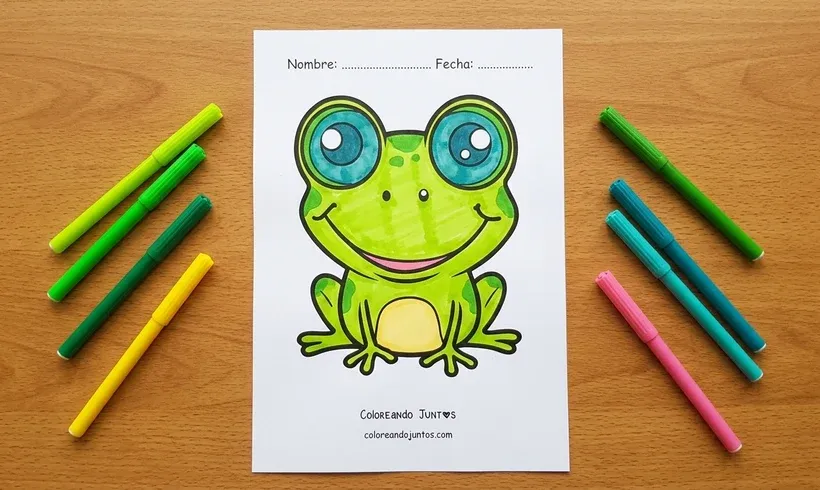
Frog Coloring Pages
-
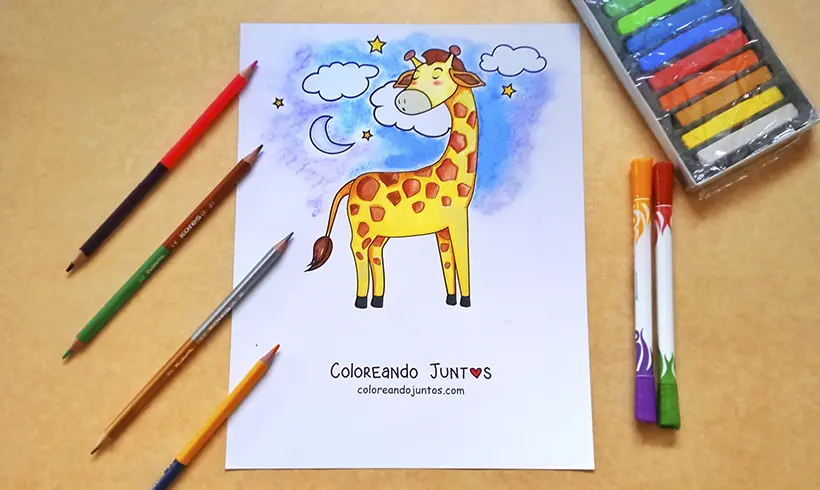
Giraffe Coloring Pages
-
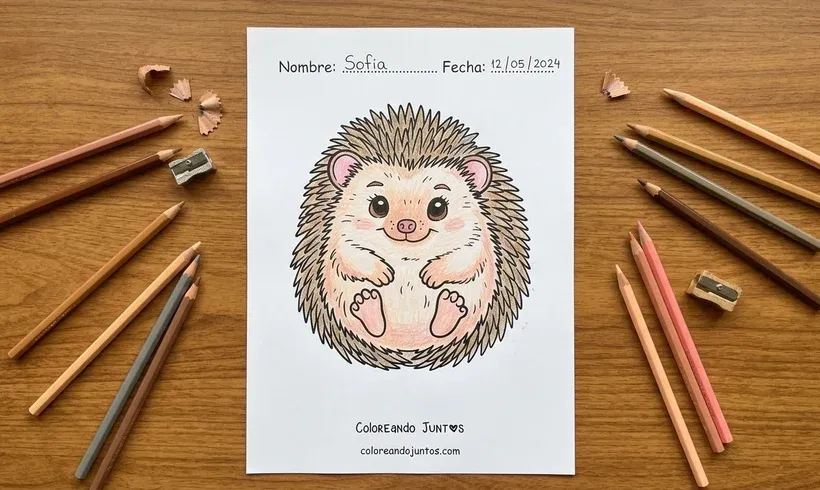
Hedgehog Coloring Pages
-
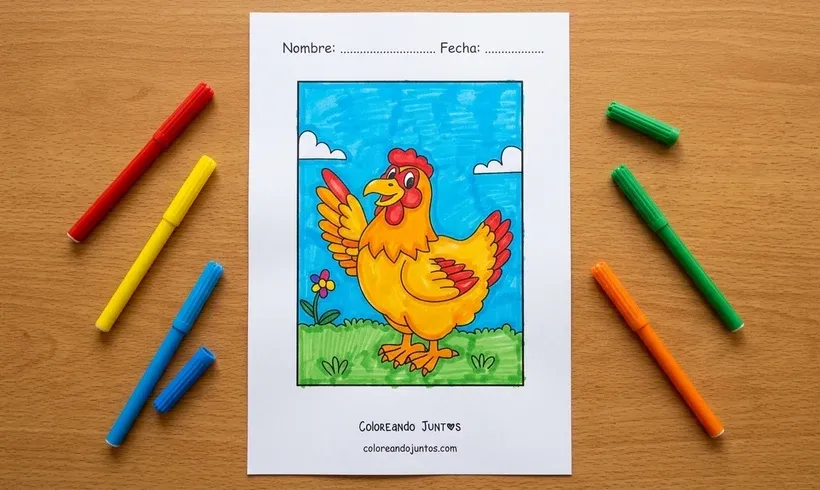
Hen Coloring Pages
-
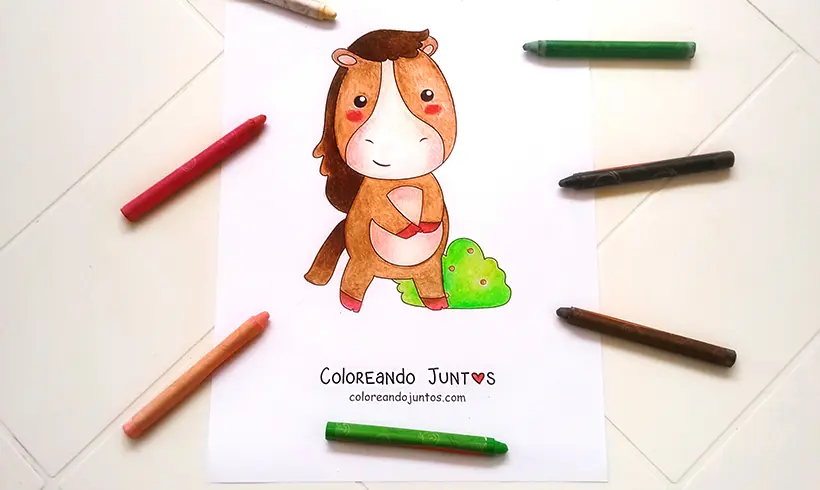
Horse Coloring Pages
-
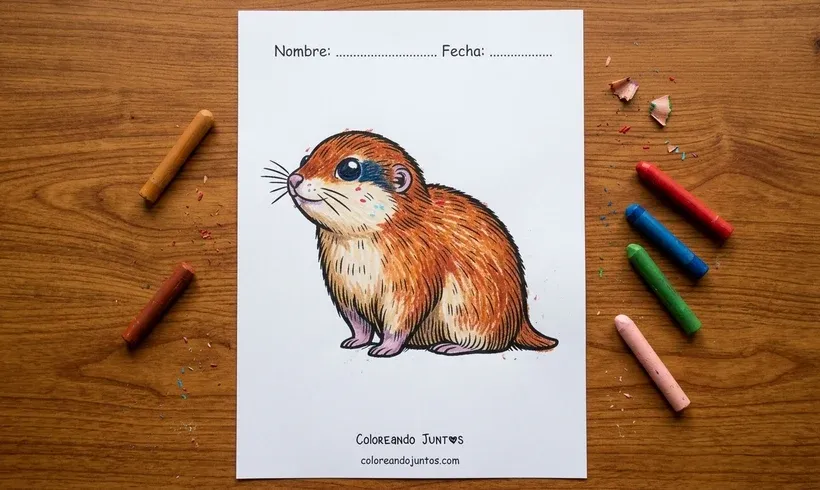
Lemming Coloring Pages
-
Lion Coloring Pages
-
Meowl Coloring Pages
-
Monkey Coloring Pages
-
Ostrich Coloring Pages
-
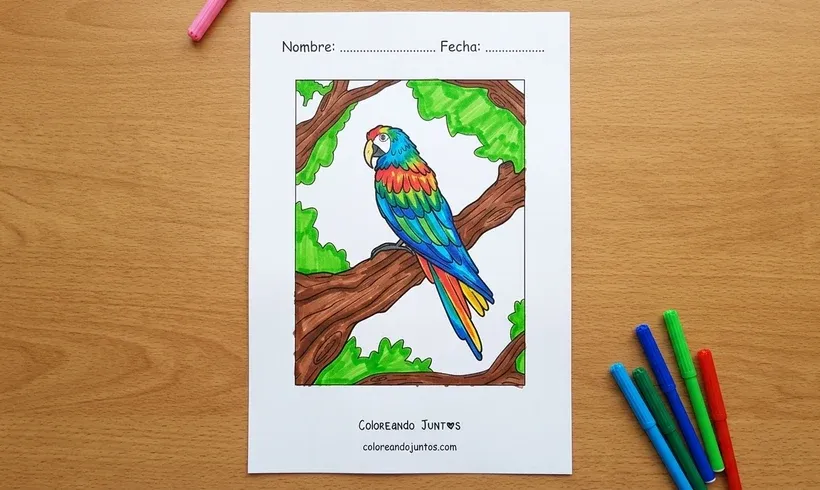
Parrot Coloring Pages
-
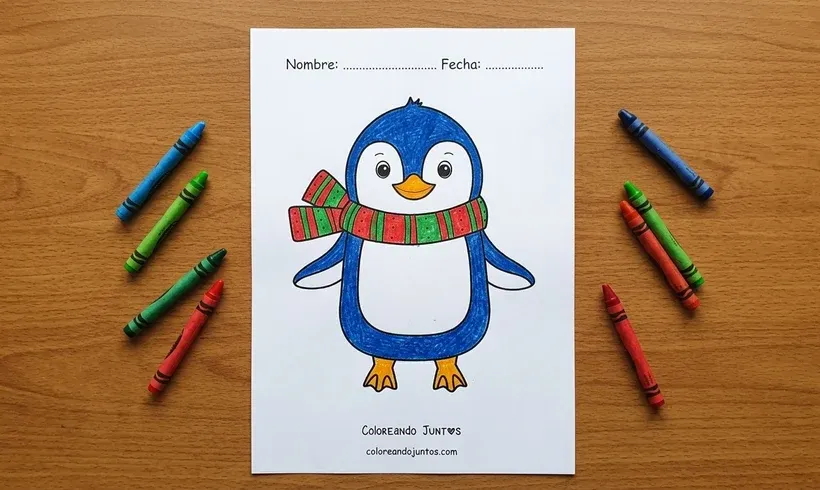
Penguin Coloring Pages
-
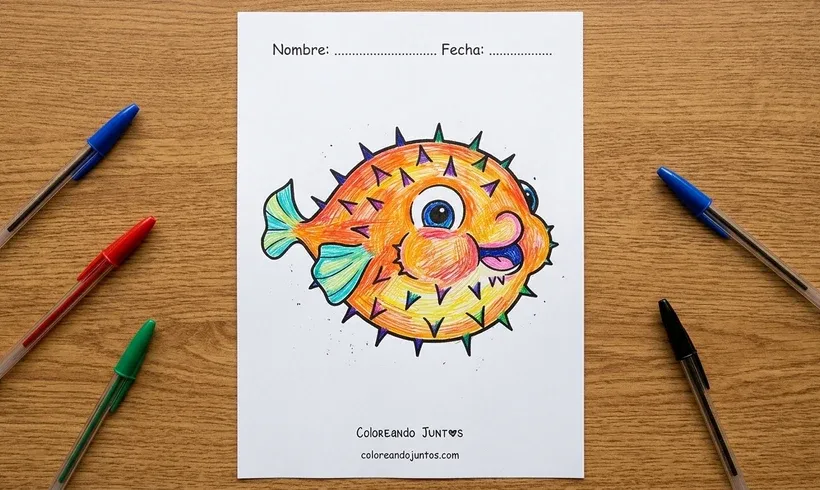
Pufferfish Coloring Pages
-

Rabbit Coloring Pages
-
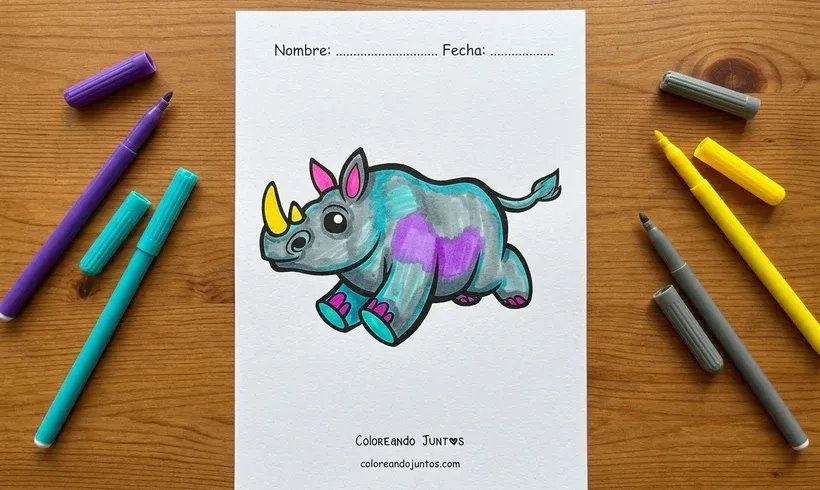
Rhino Coloring Pages
-
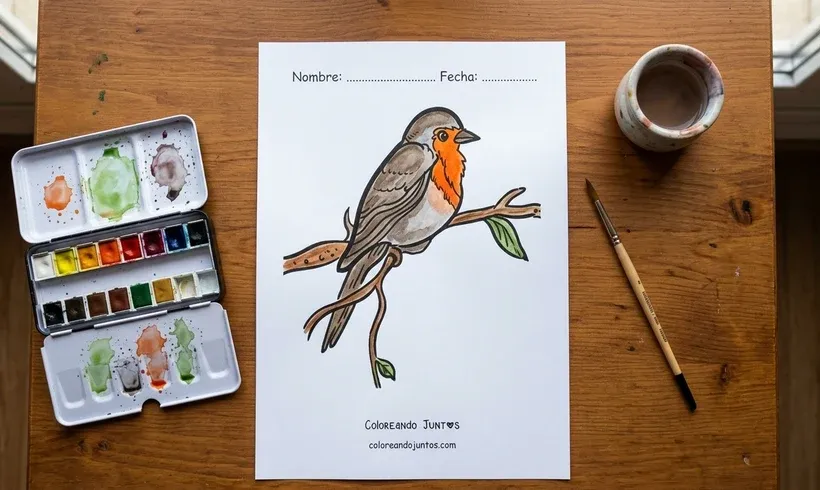
Robin Coloring Pages
-
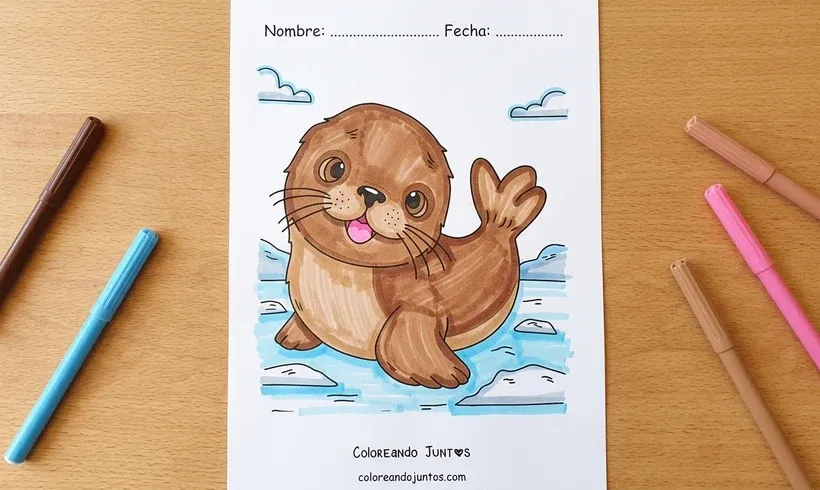
Seal Coloring Pages
-
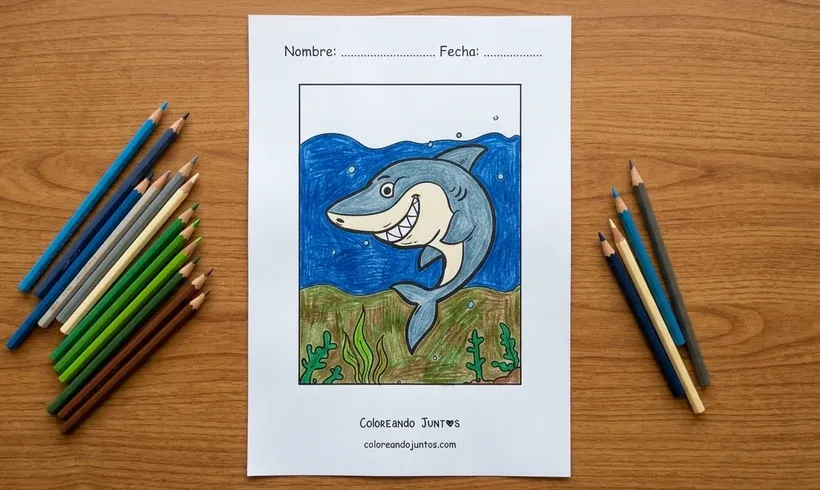
Shark Coloring Pages
-
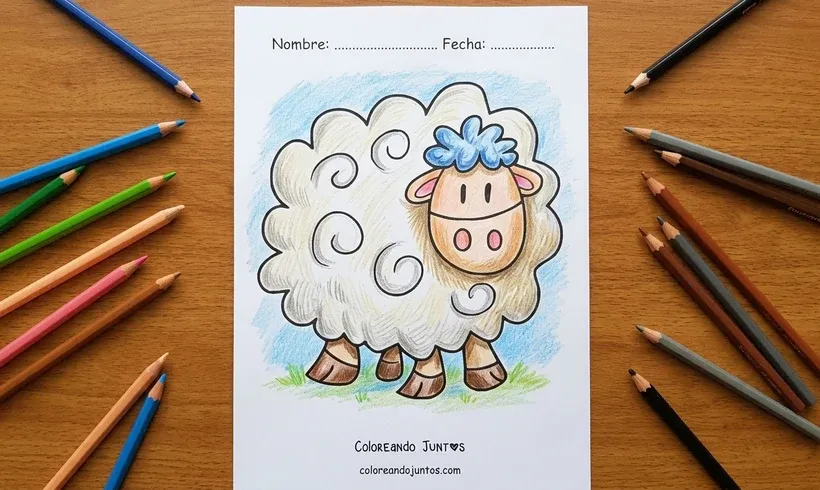
Sheep Coloring Pages
-
Slug Coloring Pages
-
Snail Coloring Pages
-
Snake Coloring Pages
-
Squirrel Coloring Pages
-
Tiger Coloring Pages
-
Turkey Coloring Pages
-
Turtle Coloring Pages
-

Unicorn Coloring Pages
-
Wolf Coloring Pages
-
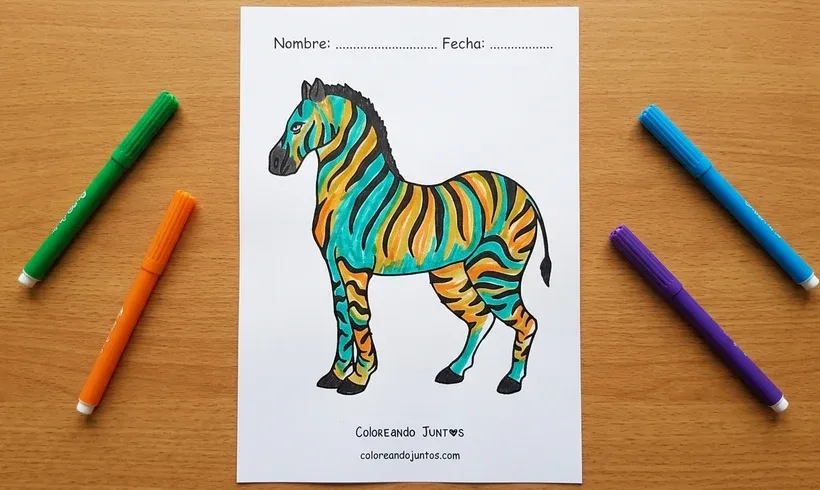
Zebra Coloring Pages