
25 Gardening Coloring Pages - Free!
Recreational Activities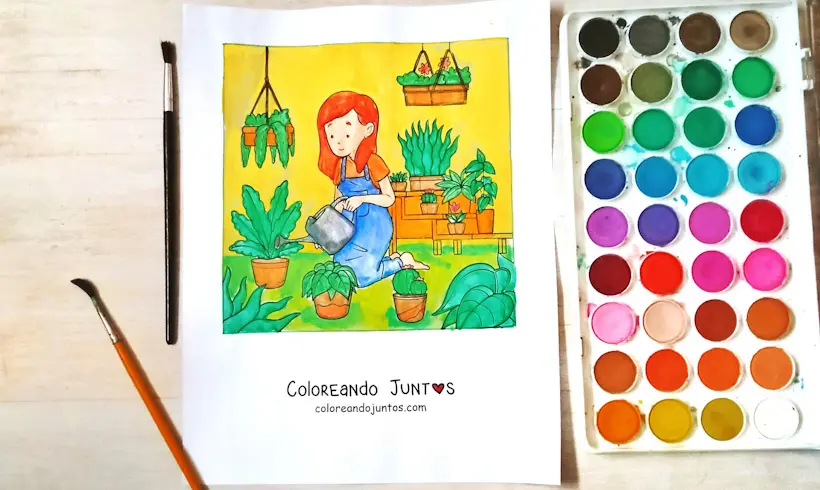
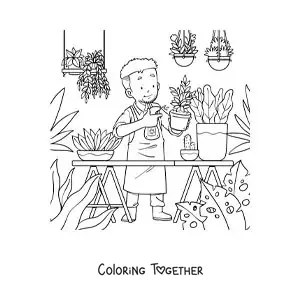
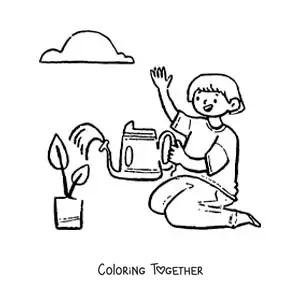
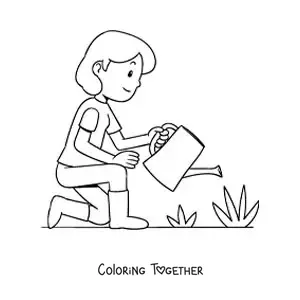
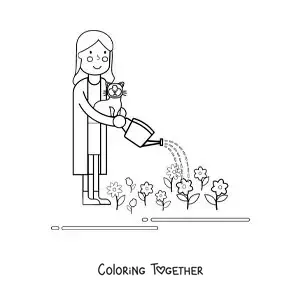
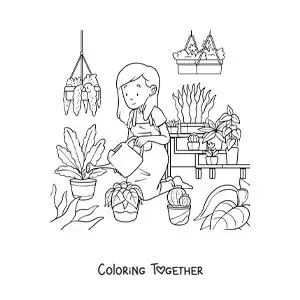
This gardener looks very busy watering her plants, what do you think? Do you like how it turned out? We painted the plants that every visitor to our page will love. Come with us! At Coloring Together we want you to be encouraged to visit this very special gallery we prepared.
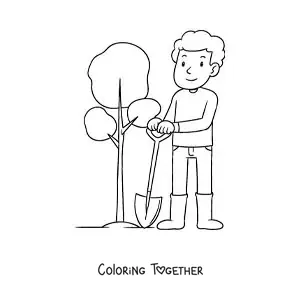
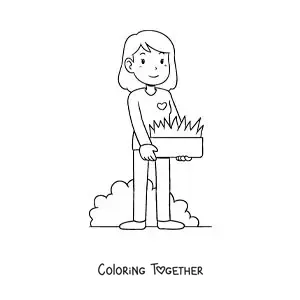
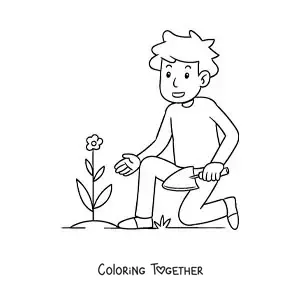
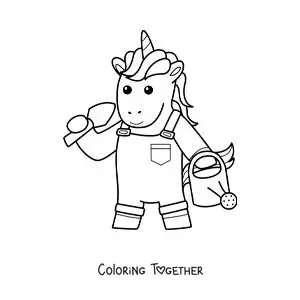
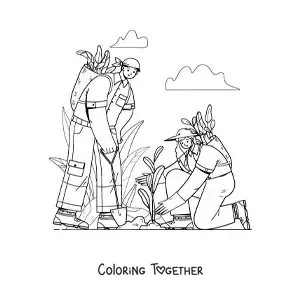
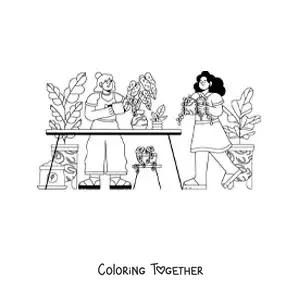
We know you are a lover of gardening, and that you want to personalize a garden your own way - and you can do it! Thanks to the gardening drawings to print and color that we gathered, you will be able to create gardens worthy of royalty, or worthy of being considered cultural heritage. What do you say?
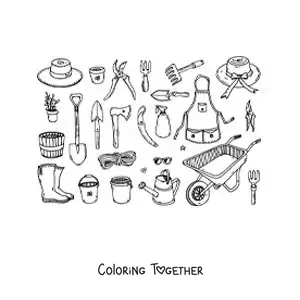
How are you planning to paint the roses in your garden? Maybe you can apply watercolors over the gardening tool drawings, or do you prefer to use paper for the gardening drawings for kids? Without a doubt the burnishing technique would be a great choice to give them color!
They say that caring for a garden reflects a lot about how detail-oriented and creative a person is, let us see what your garden will be like! Print one from the gallery, send us a photo when you finish painting it, and we will gladly display it for our visitors.
Imagine you get out of school, tired and worn out, but as soon as you get home, you put on your outfit to tend your garden, and then your worries begin to fade away, that is what it is like to be a gardener! To get close to the experience, let your creativity flow over the gardening images to color. Ready to start?
Gardening coloring pages
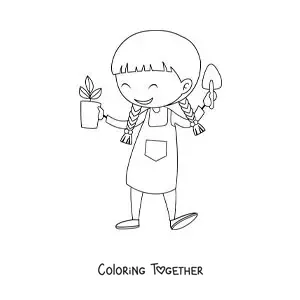
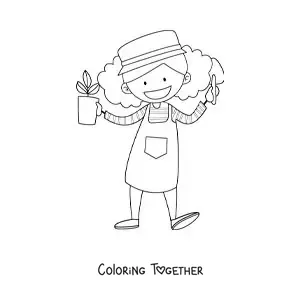
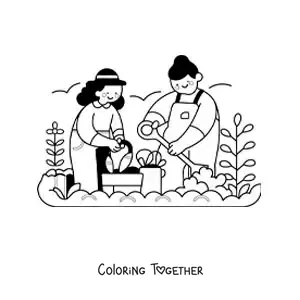
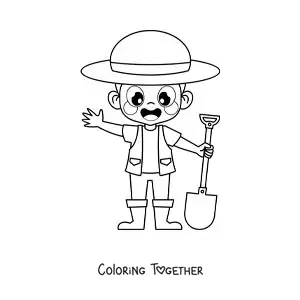
Why color gardening pictures?
Gardening is an activity that involves growing plants, flowers, fruits, and vegetables in a given space. It can serve ornamental, food, therapeutic, or ecological purposes. Do you like planting flowers? Come on! We will tell you a few things about gardening.
The benefits of gardening are many. On one hand, it improves people's physical and mental health, since it reduces stress, boosts self-esteem, encourages creativity, stimulates the senses, and even provides moderate exercise.
On the other hand, gardening contributes to the conservation of the environment, because plants produce oxygen, purify the air, regulate temperature, attract pollinators, and create habitats for biodiversity.
Wow! After learning so much, the Coloring Together team felt like making their own garden, with beautiful flowers and bright colors. But for that, first we have to learn a little about gardening.
You can learn a ton with the fun facts we bring for you along with the gardening images to print and color. If you also feel interest or curiosity about gardening and gardens, then go for it and come color!
Learn while coloring Gardening
- The earliest gardens on record date back to the Bronze Age, in Mesopotamia, between the Tigris and Euphrates rivers.
- The Hanging Gardens of Babylon, one of the seven wonders of the ancient world, were built by King Nebuchadnezzar II to please his wife, Amytis, who missed her homeland surrounded by mountains and forests.
- In ancient Greece, the garden was a place of culture, knowledge, and learning. Philosophers even gave their teachings in the gardens of the Academy of Athens.
- In Medieval Europe, vegetable gardens were built next to houses. This was so that their inhabitants or neighbors could use them to grow their food.
- The Greeks created the first botanical gardens, called hortus, where they grew medicinal plants.
- In ancient Rome, gardens were places of peace and tranquility, and were considered places full of religious and symbolic meanings.
- Although gardens arose in Egypt, around 2800 BC, it was in Rome where horticulture developed. Incredible!
- In the Middle Ages, gardens were mainly orchards and herb gardens, where fruits, vegetables, and aromatic plants were grown. Monasteries were the main centers for the preservation and spread of botanical knowledge.
- The first gardens were created in Mesopotamia, more than 6,000 years ago. They were irrigated gardens, where food and ornamental plants were grown.
- In Medieval Europe, people of high status hired all kinds of experts to create flower gardens, not only for ornamental purposes, but therapeutic ones. This is because at that time, smelling flowers was considered a healthy practice that kept the plague away.
- In the Renaissance, gardens became works of art, inspired by harmony and geometry. Renaissance gardens were characterized by the use of perspective, symmetry, parterres, topiaries, and labyrinths. The most famous example is that of Villa d'Este, in Italy.
- In the Baroque period, gardens became grand and ostentatious, with the aim of impressing and showing off power. Baroque gardens were distinguished by the use of staircases, terraces, waterfalls, ponds, and sculptures. The most emblematic example is that of Versailles, in France.
- One of the largest gardens in the world is the Xishuangbanna Tropical Botanical Garden, in China. It covers an area of 1,120 hectares and is home to more than 13,000 species of plants.
- Gardening can influence the color of some flowers, like hydrangeas, which change tone depending on the pH level of the soil. More alkaline soil produces pink flowers, while more acidic soil produces blue flowers.
- The largest garden in the world is The Miracle Garden, located in the Dubailand district of Dubai. The garden has more than 72,000 square meters, and also has more than 109 million flowers planted. Amazing!
- Gardening is considered one of the oldest forms of art, since it dates back to the Bronze Age, when the first human settlements created green spaces for religious, political, and aesthetic purposes.
- Gardening can have benefits for physical and mental health, like reducing stress, improving mood, strengthening the immune system, burning calories, and preventing dementia.
- Gardening can attract different types of animals, like butterflies, which are more attracted to weeds than to cultivated flowers. This is because weeds keep their natural fragrance better than fertilized plants.
- Gardening can change the flavor of some fruits, like tomatoes, which become sweeter if you add a little baking soda to the soil. This reduces the acidity of the tomatoes and makes them tastier.
- It is said that gardening can be a form of communication with plants. Some studies have shown that talking to them or playing music for them can encourage their growth and development. One theory says that this is because sound vibrations stimulate the metabolism of plants.
- Gardening can be a source of inspiration for other forms of art, like literature, painting, or music. Some examples are the poem "The Garden of Forking Paths" by Jorge Luis Borges, the painting "Sunflowers" by Vincent van Gogh, or the song "Octopus's Garden" by The Beatles.
- The oldest university garden in the world is the Orto Botanico di Padova Botanical Garden, in Italy. It was founded in 1545 and has been a UNESCO World Heritage Site since 1997.
- The highest garden in the world is the Saussurea Alpine Botanical Garden, in Italy. It is located 2,175 meters above sea level and has a collection of more than 900 species of alpine and high-mountain plants.
More Recreational Activities Coloring Pages
-
Camping Coloring Pages
-
Circus Coloring Pages
-
Fishing Coloring Pages
-
Hiking Coloring Pages
-
Hunting Coloring Pages
-
Meditation Coloring Pages
-

Movie Coloring Pages
-
Picnic Coloring Pages
-
Reading Coloring Pages
-
Scuba Diving Coloring Pages
-

Shopping Coloring Pages
-
Surfing Coloring Pages
-
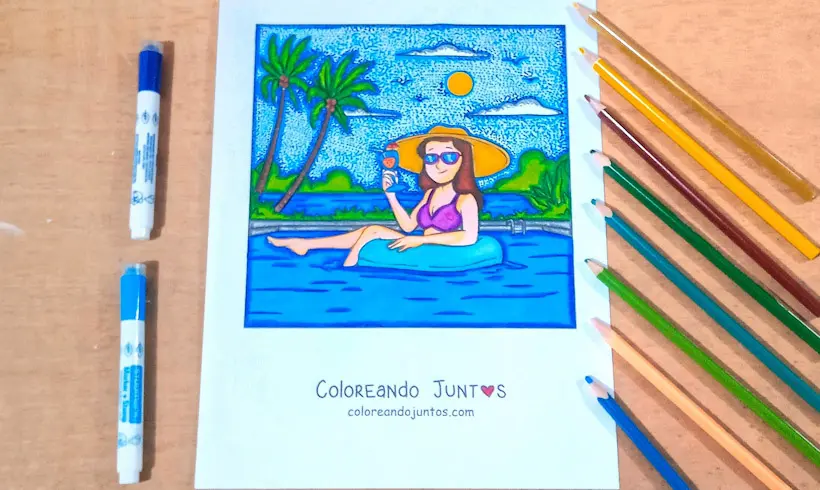
Swimming Pool Coloring Pages
-
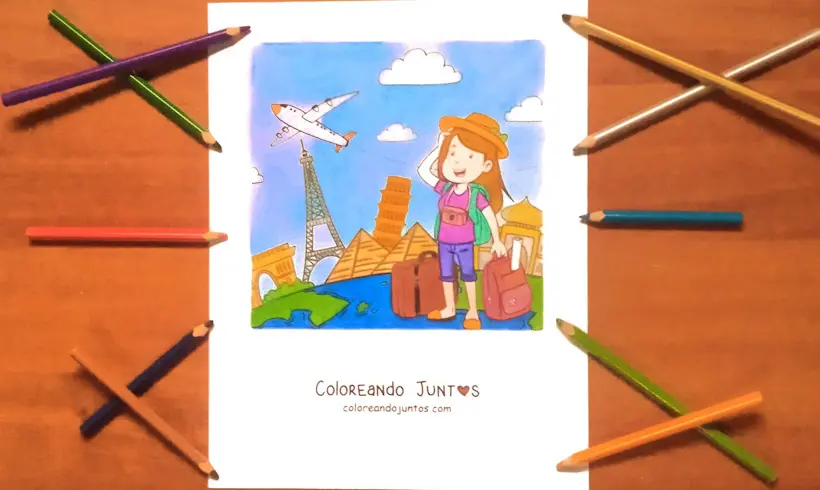
Travel drawings
-
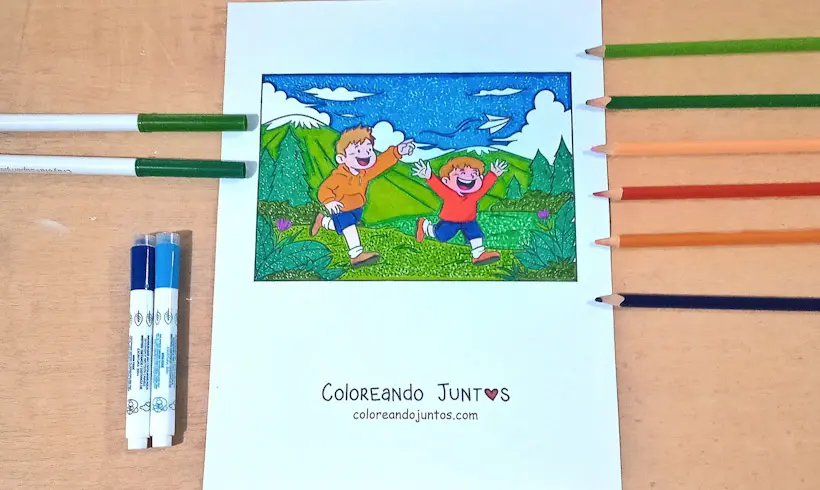
Walk Coloring Pages
-
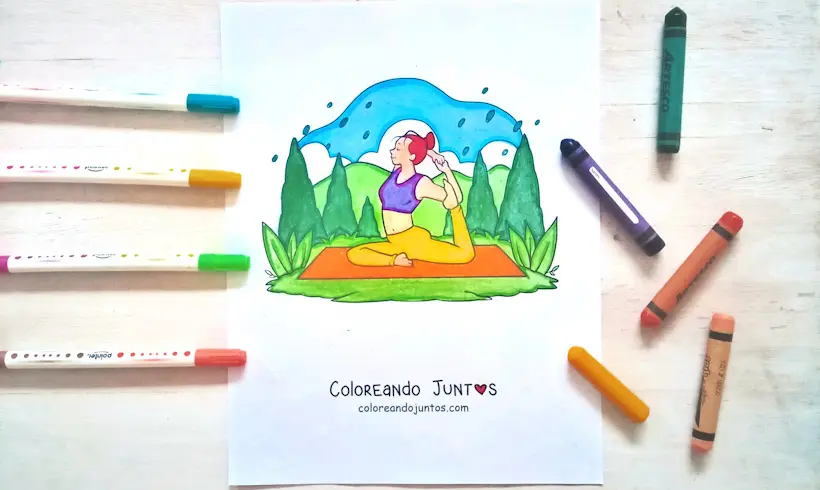
Yoga Coloring Pages
-
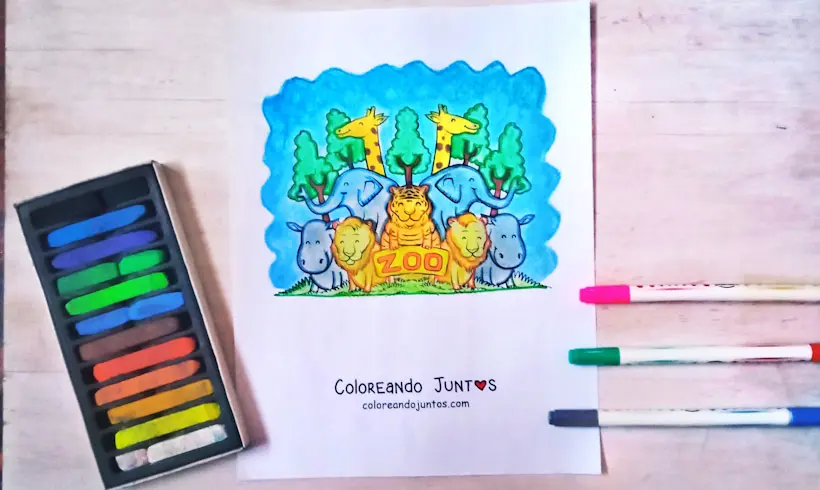
Zoo Coloring Pages