15 Fly Coloring Pages - Free!
Insects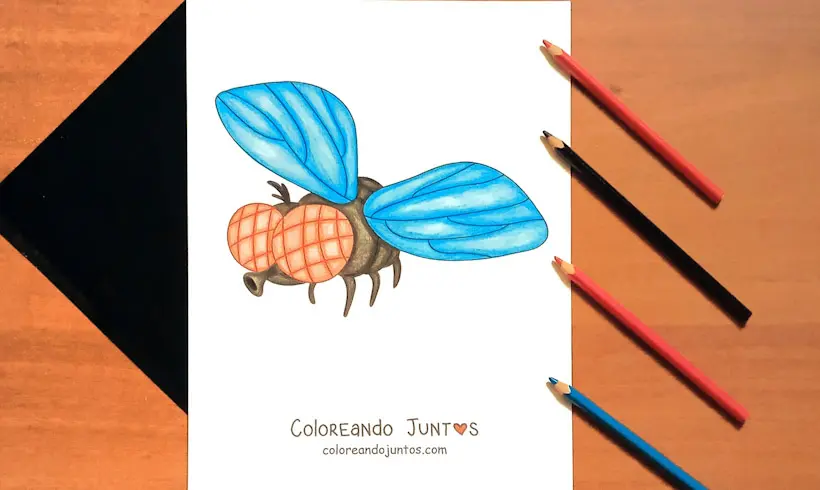
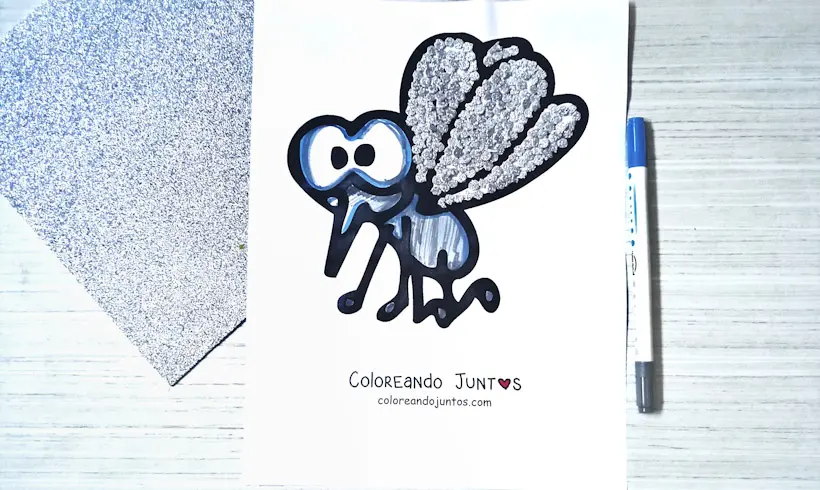
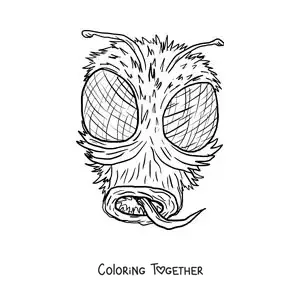
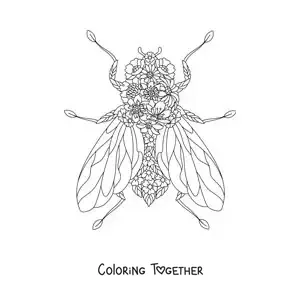
An annoying buzz passes by our ears. What could it be? It is the drawing of a fly that we have colored for you! Do you think we did a good job? We are pretty sure your drawing will turn out much better. We cannot wait to see it!
At Coloring Together, we love to bring you the best of the best so you can work your magic without worries. This time, we have gathered the best fly images to color and animated flies to color. You will be able to amaze everyone with your incredible talent!
But first things first, choosing the techniques and materials to color! Have you tried the bleaching technique? It is very useful for lowering the intensity of the colors and keeping some areas from looking more worked than others. Plus, you can work with your favorite chalks and spread the color with your finger.
Once you have finished your work, send us a photo! In our gallery there is always room to show off the works of our followers. Do not be shy! Your art deserves to be shared with the rest of the world.
Materials in hand and ready to start? Excellent! The fly drawings to color could start flying off at any moment if they keep waiting; flies are not known for staying still too long, so let's get to work!
Flies coloring pages
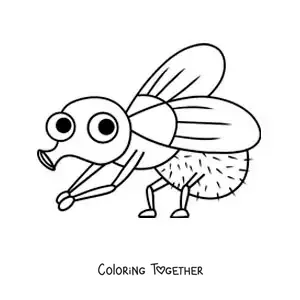
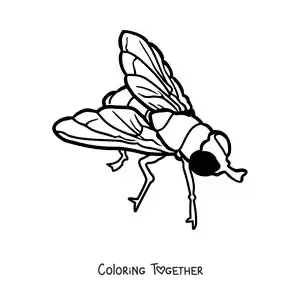
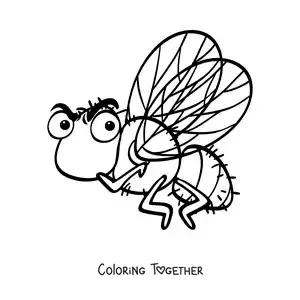
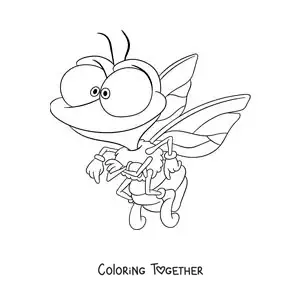
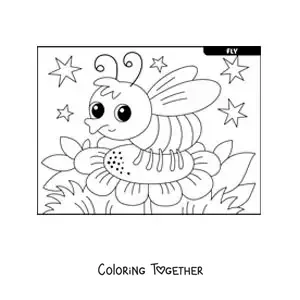
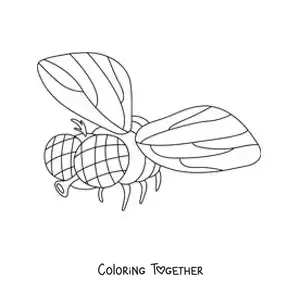
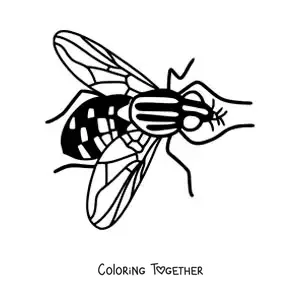
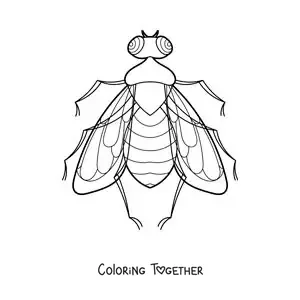
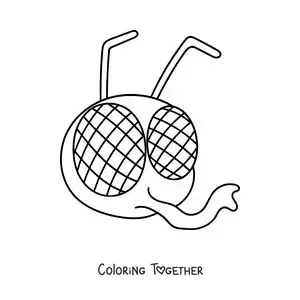
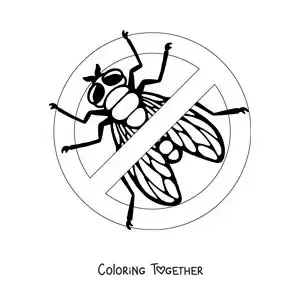
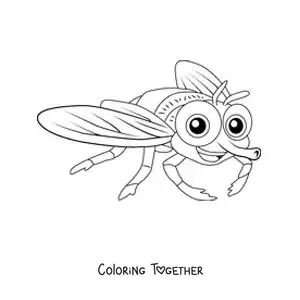
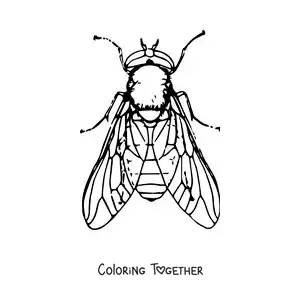
Why color flies pictures?
Flies are insects that can be found all over the world, except in Iceland. They belong to the order of dipterans and there are around 110,000 species of flies all over the world, the most common being the so-called house fly or domestic fly.
These flies feed through a process called the "proboscis," which consists of vomiting their digestive juices onto solid food, which helps them take in the food without needing to chew, since they do not have the mouthparts needed to do so.
Since flies can transmit various diseases if they land on kitchen utensils or food, at Coloring Together we bring you the best fly images to color. With them, you will be able to identify them before they reach your kitchen. It is important that you learn how to fight them off!
But not everything about flies is bad, since some species of flies are necessary for the pollination of various plants, among them cacao. Do you find these facts interesting? Then you will be glad to know that we have left more information above the fly drawings to color.
Learn while coloring Flies
- To feed, house flies vomit their digestive juices onto solid food and then absorb it, since they do not have mouthparts to chew. The organ they use to suck up the food is called the "proboscis."
- Flies can taste their food using their feet! This is because they have taste buds at the end of their legs.
- House flies can be transmitters of diseases like Salmonella and E. coli, by landing on kitchen utensils and food.
- House flies can produce 75 to 150 eggs at a time.
- Flies' feet have tiny hairs that produce a sticky substance made of sugars and oils. Thanks to this they can walk on almost any surface, even upside down on the ceiling!
- The average lifespan of house flies is about a month.
- A house fly can produce around 500 eggs over the course of its life.
- Have you ever wondered why it is so hard to catch a fly? This is because their reaction times are quite fast. While humans can process 60 images per second, flies can process up to 250 images per second.
- Flies lay their eggs in feces, rotten fruit, or decaying peels so the larvae have food when they hatch.
- There are more than 110,000 species of flies around the world.
- Fly larvae break down the organic matter of the feces they are born in and release the nutrients used by plants, bacteria, and fungi.
- Iceland is one of the few places in the world where there are almost no mosquitoes, because its changing climate does not let them complete their life cycle.
- The first time flies were used for a criminal investigation was in the 13th century in China. By studying the behavior of flies and the reproduction of larvae at a crime scene, forensic experts can more easily estimate the time of death.
- Some tiny flies, called midges of the genus Forcipomyia, are the main pollinators of cacao. We owe chocolate to them!
- The largest flies in the world are timber flies, which can measure up to 8 centimeters. These flies are named this way because they lay their eggs in decaying trees.